
Slow Cooker Chicken and Cabbage (Soup)
In the realm of home cooking, few tools are as revered as the slow cooker. It is the silent hero of the kitchen, transforming humble ingredients into gourmet-quality meals while we go about our busy lives. Among the pantheon of crockpot classics, one dish stands out for its simplicity, nutritional density, and profound flavor: Slow Cooker Chicken and Cabbage Soup.
This soup is more than just a meal; it is a warm hug in a bowl, a metabolic booster, and a masterclass in budget-friendly cooking. Whether you are following a keto lifestyle, looking to shed a few pounds, or simply craving a hearty dinner that reminds you of Grandma’s kitchen, this comprehensive guide will walk you through everything you need to know to master this dish.
Why Slow Cooker Chicken and Cabbage Soup is a Nutritional Powerhouse
Before we dive into the pot, let’s talk about why this specific combination of ingredients is so beloved by nutritionists and home cooks alike.
The Magic of Cabbage
Cabbage is often an underrated vegetable, yet it is one of the most nutrient-dense foods available. It is packed with:
- Vitamin C: Essential for immune function and skin health.
- Vitamin K: Crucial for bone health and blood clotting.
- Fiber: Promoting digestive health and keeping you full for longer.
- Antioxidants: Such as polyphenols and sulfur compounds that reduce inflammation.
When slow-cooked, cabbage loses its bitter edge and develops a natural sweetness that infuses the broth, providing a rich depth of flavor without the need for heavy fats.
Lean Protein from Chicken
Chicken provides the necessary amino acids for muscle repair and satiety. By using the slow cooker, even leaner cuts like chicken breast become incredibly tender and easy to shred. If you opt for chicken thighs, you get a richer flavor profile and a boost of healthy fats and minerals.
A Low-Calorie, High-Volume Feast
One of the greatest benefits of this soup is that you can eat a massive portion for very few calories. This makes it an ideal “volume eating” meal, perfect for those monitoring their caloric intake without wanting to feel deprived.
The Essential Ingredients: A Deep Dive
To create the best Slow Cooker Chicken and Cabbage Soup, the quality and choice of ingredients matter. Here is what you will need and why.
1. The Chicken
- Boneless, Skinless Thighs: These are highly recommended for the slow cooker because they contain more connective tissue, which breaks down over several hours, resulting in succulent, moist meat that never dries out.
- Chicken Breasts: If you prefer white meat, breasts work well but should be monitored to ensure they don’t become overly fibrous.
- Bone-in Options: For the most flavorful broth, use bone-in thighs. The marrow and collagen from the bones seep into the liquid, creating a “bone broth” effect.
2. The Cabbage
- Green Cabbage: The standard choice. It holds its structure well over long cooking times.
- Savoy Cabbage: Features crinkly leaves and a milder, sweeter flavor. It softens more quickly than green cabbage.
- Red Cabbage: While delicious, be aware that it will turn your entire soup a vibrant purple/pink hue.
3. The Aromatics (The Flavor Base)
- Onions: Yellow or white onions provide the foundational sweetness.
- Carrots: Add color and a natural sugary undertone.
- Celery: Provides that classic “soup” aroma and a subtle saltiness.
- Garlic: Never skimp on garlic. Use fresh cloves for the best punch.
4. The Liquid Gold
- Chicken Bone Broth: Using high-quality broth instead of just water elevates the dish significantly.
- Filtered Water: If your broth is very concentrated, you can cut it with water.
5. Herbs and Spices
- Bay Leaves: These are essential for an earthy, herbal depth.
- Dried Thyme and Oregano: Classic pairings for chicken.
- Smoked Paprika: A secret ingredient that adds a hint of woodsy warmth.
- Apple Cider Vinegar: A splash added at the end brightens all the flavors and cuts through the richness.
Step-by-Step Preparation: Mastering the Process
The beauty of the slow cooker is the “set it and forget it” nature, but a few pro-tips during preparation can make a world of difference.
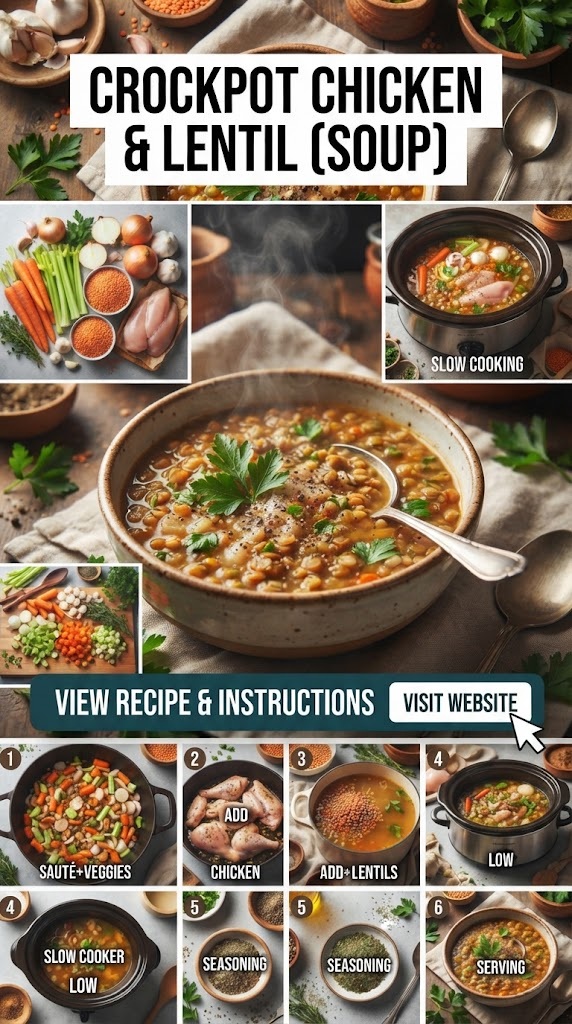
Step 1: Prep the Vegetables
Chop your cabbage into roughly 1-inch ribbons. Don’t worry if they seem bulky; cabbage shrinks significantly as it wilts. Dice your onions, carrots, and celery into uniform pieces to ensure even cooking.
Step 2: The Searing Debate
Do you have to sear the chicken? No. However, if you have five extra minutes, searing the chicken in a skillet with a bit of olive oil before placing it in the crockpot creates the Maillard reaction. This brown crust adds a savory complexity that raw-dumping cannot achieve.
Step 3: Layering the Crockpot
Layering matters for heat distribution:
- Bottom Layer: Hard vegetables like carrots, celery, and onions.
- Middle Layer: The chicken.
- Top Layer: The cabbage.
- Liquid: Pour the broth over everything until the cabbage is mostly submerged.
Step 4: Timing is Everything
- Low and Slow: 6 to 8 hours. This is the gold standard for the most tender results.
- High Heat: 3 to 4 hours. Good if you’re in a pinch, but the chicken may not be as “melt-in-your-mouth.”
Step 5: Shredding and Finishing
Once the timer is up, remove the chicken breasts or thighs to a cutting board. Shred them using two forks. Return the meat to the pot. Stir in a tablespoon of apple cider vinegar and a handful of fresh parsley. Taste for salt and pepper.
Flavor Variations to Keep Things Exciting
If you plan on making this a weekly staple, you might want to switch up the flavor profile. Here are four ways to transform the basic recipe:
1. The “Zesty Ginger-Turmeric” (Anti-Inflammatory)
Add two tablespoons of freshly grated ginger and a teaspoon of turmeric. This version is incredible for when you’re feeling under the weather. The ginger adds a spicy bite that complements the sweetness of the cabbage.
2. The “Italian Farmhouse”
Add a can of diced tomatoes (with juices), two teaspoons of Italian seasoning, and a Parmesan rind during the cooking process. The rind adds a salty, umami depth to the broth.
3. The “Spicy Tex-Mex”
Include diced jalapeños, a teaspoon of cumin, and garnish with cilantro and lime juice. Serve with a dollop of Greek yogurt or avocado slices for a creamy contrast.
4. The “Hearty Potato and Leek”
Swap half of the cabbage for cubed Yukon Gold potatoes and replace onions with leeks. This makes the soup much more filling and provides a velvety texture as the potatoes release their starches.
Common Mistakes and How to Avoid Them
Even with a slow cooker, things can go wrong. Here is how to ensure a perfect pot every time:
- Overcooking the Cabbage: If you like your cabbage to have a bit of a “bite,” add it during the last 2 hours of cooking rather than at the beginning.
- Too Much Liquid: Cabbage releases a lot of water as it cooks. Start with less broth than you think you need; you can always add more at the end, but you can’t take it away without diluting the flavor.
- Under-Seasoning: Slow cooking can sometimes dull the flavors of spices. Always do a final taste test before serving. Often, a pinch more salt or a squeeze of lemon is all it needs to “pop.”
- Using Chicken Breast for 10+ Hours: If you leave chicken breast on “low” for too long, it can become chalky. Stick to the 6-hour mark for breasts or use thighs for longer windows.
Storage and Meal Prep Tips
This soup is a meal prepper’s dream because it actually tastes better the next day.
Refrigeration
Store in airtight containers for up to 4–5 days. The cabbage will continue to soak up the broth, so you may need to add a splash of water when reheating.
Freezing
This soup freezes exceptionally well. Use freezer-safe bags or containers, leaving an inch of space at the top for expansion. It will stay fresh for up to 3 months. To reheat, thaw overnight in the fridge and warm on the stovetop.
The “Soup Starter” Hack
You can chop all the vegetables and aromatics, place them in a gallon-sized freezer bag with the raw chicken, and freeze the “kit.” On a busy morning, simply dump the frozen contents into the slow cooker, add broth, and set the timer.
The Science of Satiety: Why This Soup Keeps You Full
Many people wonder how a soup based primarily on a leafy vegetable can be so satisfying. The secret lies in the synergy of fiber and protein.
When you consume high amounts of fiber (from the cabbage) alongside protein (from the chicken), your body releases hormones like CCK (cholecystokinin) and GLP-1, which signal to your brain that you are full. Furthermore, the high water content of the soup increases the volume of the food in your stomach, physically stretching the stomach lining, which is another primary trigger for satiety.
This is why “Cabbage Soup” has been a staple in weight-loss circles for decades. However, by adding the protein and healthy fats from chicken and broth, we turn a “crash diet” food into a sustainable, nutrient-complete meal.
Pairing Suggestions: Completing the Meal
While this soup is a complete meal on its own, here are some ideas for what to serve alongside it:
- Crusty Sourdough Bread: Perfect for mopping up every last drop of the savory broth.
- A Simple Green Salad: A crisp salad with a light vinaigrette provides a nice texture contrast to the soft, slow-cooked soup.
- Roasted Root Vegetables: If you need more carbohydrates, a side of roasted sweet potatoes or parsnips works beautifully.
- Grated Horseradish: For those who like a bit of heat, a small amount of fresh horseradish stirred into the bowl adds a sophisticated, sinus-clearing kick.
Frequently Asked Questions (FAQs)
Can I make this in an Instant Pot?
Yes! If you are short on time, use the “Sauté” function to brown the chicken and aromatics, then add the cabbage and broth. Cook on “High Pressure” for 15 minutes with a natural pressure release of 10 minutes.
Is this soup Keto-friendly?
Absolutely. Cabbage is a low-carb vegetable, and chicken provides the protein. To increase the fat content for a strict Keto diet, use chicken thighs with the skin on or stir in a tablespoon of grass-fed butter or heavy cream before serving.
Can I use frozen chicken?
It is generally recommended to thaw chicken before putting it in a slow cooker to ensure it reaches a safe internal temperature quickly enough to prevent bacterial growth. However, if you are using an Instant Pot, frozen chicken is perfectly safe.
How do I make the soup thicker?
If you prefer a stew-like consistency, you can mash some of the cooked carrots and onions against the side of the pot, or whisk in a small amount of cornstarch slurry (1 tbsp cornstarch mixed with 2 tbsp cold water) during the last 30 minutes of cooking.
The Environmental and Economic Benefits
In today’s economy, being a “conscious consumer” is more important than ever. Slow Cooker Chicken and Cabbage Soup is an environmental and financial win for several reasons:
- Low Waste: You can use the “scraps” of your vegetables (onion skins, celery ends, carrot peels) to make the very broth you use for the soup.
- Affordability: Cabbage is consistently one of the cheapest vegetables per pound in the grocery store, and chicken thighs are often much more affordable than steak or seafood.
- Energy Efficiency: Slow cookers use significantly less energy than a traditional oven or stovetop, making them a “greener” way to prepare dinner.
Conclusion: A Recipe for a Better Lifestyle
Mastering the Slow Cooker Chicken and Cabbage Soup is a gateway to healthier living. It proves that you don’t need expensive ingredients or hours of active labor to produce a meal that is deeply nourishing and incredibly delicious.
In a world of fast food and highly processed snacks, returning to the basics—protein, vegetables, and slow-simmered broth—is an act of self-care. The next time you see a head of cabbage in the produce aisle, don’t walk past it. Pick it up, grab some chicken, and let your slow cooker do the magic. Your body, your wallet, and your taste buds will thank you.
Whether it’s a snowy winter evening or a busy Tuesday in the middle of spring, there is never a wrong time for a bowl of this liquid gold. Happy cooking!