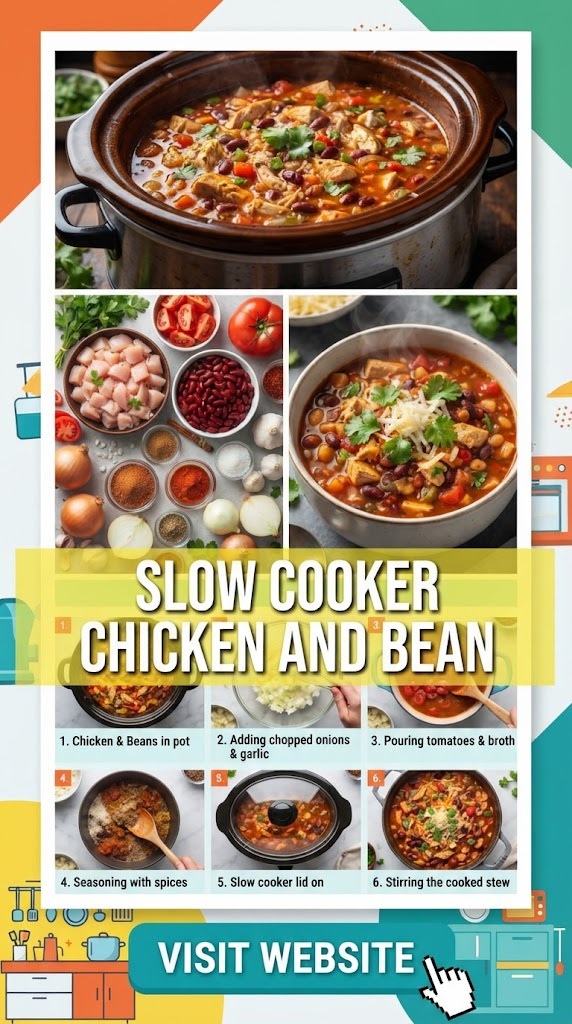
Slow Cooker Chicken and Bean
In the hustle and bustle of modern life, the slow cooker remains an unsung hero of the American kitchen. There is perhaps no dish that exemplifies the convenience, nutrition, and sheer soul-warming comfort of this appliance better than Slow Cooker Chicken and Bean Soup. This dish is more than just a meal; it is a nutritional powerhouse, a budget-saver, and a culinary hug that greets you at the door after a long day.
Whether you are a busy parent trying to navigate a hectic weeknight, a fitness enthusiast looking for a high-protein meal prep option, or someone who simply loves the deep, developed flavors of a long-simmered stew, this guide will provide everything you need to master the art of the chicken and bean soup.
Why the Slow Cooker is the King of Soups
Before we dive into the ingredients and techniques, it is essential to understand why the slow cooker (often referred to by the brand name Crock-Pot) is the ideal vessel for a chicken and bean ensemble.
Unlike stovetop cooking, which requires constant monitoring to ensure nothing sticks to the bottom or boils over, a slow cooker provides consistent, low-level heat. This environment allows the connective tissues in the chicken to break down slowly, resulting in meat that is incredibly tender and easy to shred. Simultaneously, the beans have ample time to absorb the flavors of the broth, aromatics, and spices without losing their structural integrity.
Furthermore, slow cooking is a “closed system.” Very little moisture escapes, meaning the flavors become concentrated and rich. The ingredients undergo a gentle transformation that creates a depth of flavor usually reserved for high-end restaurant stocks.
The Anatomy of the Perfect Chicken and Bean Soup
To create a truly spectacular soup, we must look at each component individually. A great soup is the sum of its parts, and selecting the right ingredients can elevate a simple meal to a gourmet experience.
1. The Protein: Chicken Selection
While you can use almost any cut of chicken, not all are created equal in the slow cooker:
- Boneless, Skinless Chicken Thighs: These are arguably the best choice. Thighs contain more fat and connective tissue than breasts, which means they remain juicy and flavorful even after 8 hours of cooking.
- Chicken Breasts: If you prefer lean meat, breasts work well, but they can become dry if overcooked. To avoid this, consider adding them halfway through the cooking process or keeping the cooking time closer to the 4-6 hour mark on low.
- Bone-in Chicken: For the absolute best flavor, use bone-in thighs or even a whole broken-down chicken. The bones release collagen and minerals into the broth, giving it a silky mouthfeel and superior nutritional profile.
2. The Star Ingredient: The Beans
The choice of bean dictates the texture and “personality” of your soup.
- Cannellini Beans: Large, creamy, and traditional in Italian-style soups. They hold their shape well but have a buttery interior.
- Great Northern Beans: Slightly smaller than Cannellini, these are the classic choice for “white chicken chili” or standard American bean soups.
- Navy Beans: These are small and cook down more quickly, often thickening the broth naturally as they break apart.
- Pinto or Black Beans: Use these if you are leaning toward a Tex-Mex flavor profile with cumin, chili powder, and lime.
- Dried vs. Canned: Dried beans are more economical and offer a better texture, but they require more liquid and time. Canned beans are convenient and should be rinsed thoroughly to remove excess sodium and metallic taste.
3. The Aromatics: The Flavor Foundation
Every great soup starts with the “Holy Trinity” or Mirepoix:
- Onions: Yellow or white onions provide a sweet, foundational base.
- Carrots: They add natural sweetness and a vibrant pop of color.
- Celery: Provides a savory, slightly salty depth that is essential for a traditional broth flavor.
- Garlic: Never be afraid to be generous with garlic. 4-6 cloves is a standard starting point for a large pot.
4. The Liquid Gold: Choosing a Broth
While water can work in a pinch, a high-quality broth is the secret to a professional-tasting soup.
- Low-Sodium Chicken Stock: Gives you control over the salt levels.
- Bone Broth: Adds extra protein and a rich, gelatinous texture.
- Vegetable Broth: A lighter option that lets the chicken flavor stand out.
The Master Recipe: Slow Cooker Chicken and White Bean Soup
This recipe is designed for a 6-quart slow cooker and serves approximately 6 to 8 people.
Ingredients
The Base:
- 1.5 lbs Boneless, Skinless Chicken Thighs (or breasts)
- 2 cans (15 oz each) Cannellini or Great Northern beans, drained and rinsed (or 1 cup dried beans, soaked overnight)
- 1 large yellow onion, finely diced
- 3 medium carrots, peeled and sliced into rounds
- 3 stalks celery, diced
- 4 cloves garlic, minced
The Liquid and Seasoning:
- 6 cups low-sodium chicken broth
- 1 teaspoon dried oregano
- 1 teaspoon dried thyme
- 1/2 teaspoon smoked paprika (for a hint of depth)
- 1 bay leaf
- Salt and freshly cracked black pepper to taste
- 1/2 teaspoon red pepper flakes (optional, for a subtle kick)
The Finish:
- 2 cups fresh baby spinach or kale (stems removed)
- 1 tablespoon fresh lemon juice (adds brightness)
- 1/4 cup chopped fresh parsley
- Grated Parmesan cheese (for serving)
Step-by-Step Instructions
Phase 1: Layering the Flavors
Place the diced onions, carrots, celery, and garlic at the bottom of the slow cooker insert. This “bed” of vegetables ensures the chicken doesn’t sit directly on the heating element and allows the vegetables to soften in the juices of the meat.
Phase 2: Adding the Protein and Beans
Place the chicken pieces over the vegetables. Add the rinsed beans. If using dried beans, ensure they have been soaked and rinsed, and increase the broth by 1-2 cups as they will absorb more liquid during the cook.
Phase 3: Seasoning and Liquid
Sprinkle the dried herbs (oregano, thyme, paprika, pepper flakes), salt, and pepper over the top. Pour the chicken broth over everything until the ingredients are fully submerged. Drop in the bay leaf.
Phase 4: The Long Simmer
Cover the slow cooker with its lid.
- Low Setting: Cook for 6 to 8 hours. This is the preferred method for the most tender results.
- High Setting: Cook for 3 to 4 hours.
Phase 5: The Shred and Finish
About 30 minutes before serving, remove the chicken pieces and place them on a cutting board. Use two forks to shred the chicken into bite-sized pieces. Before returning the chicken to the pot, take a potato masher or a large spoon and crush about 1/2 cup of the beans directly against the side of the slow cooker. This releases their starch and naturally thickens the soup without needing flour or cream.
Return the shredded chicken to the pot. Stir in the fresh spinach or kale. The heat of the soup will wilt the greens in about 5 minutes.
Phase 6: The Final Touch
Just before serving, stir in the lemon juice and fresh parsley. The acidity of the lemon “wakes up” the heavy flavors and creates a balanced palate. Taste one last time and adjust salt and pepper if necessary.
Customization and Variations
One of the reasons this soup is a staple in American households is its versatility. You can easily pivot the flavor profile based on what is in your pantry.
1. The Tex-Mex Twist (White Chicken Chili Style)
Instead of oregano and thyme, use cumin, coriander, and a can of chopped green chilis. Replace the spinach with corn and garnish with avocado, cilantro, and a dollop of sour cream. Use black beans or pinto beans for a darker, heartier version.
2. The Mediterranean Garden
Add a jar of drained artichoke hearts and some sun-dried tomatoes. Instead of spinach, use chopped Swiss chard. Finish with a drizzle of high-quality extra virgin olive oil and a sprinkle of feta cheese.
3. The Creamy Comfort
If you prefer a creamy soup, stir in 1/2 cup of heavy cream or a block of softened cream cheese during the last 30 minutes of cooking. This transforms the broth into a rich, velvety sauce.
4. The Pantry-Staple Version
If you don’t have fresh vegetables, use a bag of frozen mixed vegetables (peas, carrots, corn). Use dried herbs and canned beans to make this a “zero-prep” meal that takes less than 5 minutes to set up.
The Science of Slow Cooking: Why it Works
Understanding the “why” behind the cooking process can make you a better home chef.
Collagen Transformation: Chicken thighs are rich in collagen. At temperatures between 160°F and 180°F (which is where a slow cooker sits on “low”), collagen slowly converts into gelatin. Gelatin provides a rich mouthfeel and helps the body digest the protein more easily.
Bean Hydration: Beans are composed of complex carbohydrates and proteins. In a slow cooker, the slow ingress of hot liquid breaks down the hemicellulose in the bean cell walls. This results in a creamy texture rather than the “burst” shells often seen with rapid boiling on a stove.
Flavor Fusion: In a short cook time, flavors remain distinct—you taste the onion, then the chicken, then the broth. In a slow cooker, a process called “flavor melding” occurs. The volatile compounds in the spices permeate every cell of the meat and beans, creating a unified, complex flavor profile.
Health Benefits: Why This Soup is a “Superfood”
This isn’t just “feel-good” food; it is genuinely good for you.
- High Protein: Between the chicken and the beans, a single serving can provide 25-35 grams of protein, essential for muscle repair and satiety.
- Fiber Powerhouse: Beans are one of the best sources of dietary fiber. This aids in digestion, helps regulate blood sugar, and keeps you feeling full longer, which is excellent for weight management.
- Micronutrients: Carrots provide Beta-carotene (Vitamin A), spinach offers Iron and Vitamin K, and the garlic/onion base provides Allicin and antioxidants that support the immune system.
- Low Glycemic Index: Because of the fiber and protein content, this meal has a low glycemic load, preventing the energy crashes associated with high-carb meals.
Expert Tips for Success
Even with a slow cooker, there are a few “pro tips” that can take your soup from “good” to “extraordinary.”
- Don’t Overfill: Your slow cooker should be between 1/2 and 3/4 full. If it’s too full, it won’t cook evenly; if it’s too empty, the liquid will evaporate too quickly and may burn.
- Searing is Optional but Recommended: If you have an extra 5 minutes, sear the chicken in a pan with a little oil before putting it in the slow cooker. This “Maillard reaction” creates a brown crust that adds a deep, savory flavor that boiling alone cannot achieve.
- Fresh Herbs at the End: While dried herbs are great for the long cook, fresh herbs (like parsley, cilantro, or basil) lose their flavor if cooked for hours. Always add them in the final 5-10 minutes.
- Salt Late: If using dried beans, some chefs suggest salting at the end. While modern science suggests salting early doesn’t toughen beans as much as once thought, it is still easier to gauge the final saltiness once the broth has reduced.
- The “Bright” Factor: If your soup tastes “flat,” it usually lacks acidity, not salt. Add a teaspoon of lemon juice or apple cider vinegar to brighten the entire dish.
Serving Suggestions: Completing the Meal
While the soup is a complete meal on its own, the right sides can turn it into a feast.
- The Bread Factor: A crusty baguette, sourdough loaf, or homemade cornbread is essential for soaking up the remaining broth. For a healthier option, try whole-grain crackers.
- The Salad Pairing: A crisp, acidic side salad—like a Caesar salad or an arugula salad with lemon vinaigrette—provides a refreshing contrast to the warm, savory soup.
- Toppings Galore:
- Crunch: Croutons or toasted pumpkin seeds.
- Cream: A dollop of Greek yogurt or sour cream.
- Heat: A few dashes of your favorite hot sauce or a sprinkle of crushed red pepper.
- Umami: A heavy grating of aged Parmesan or Pecorino Romano cheese.
Storage and Meal Prepping
One of the best things about Chicken and Bean Soup is that it tastes even better the next day. As the soup cools and sits, the beans continue to absorb the broth, and the flavors deepen further.
Refrigeration
Store leftovers in an airtight container for up to 4 days. When reheating, you may need to add a splash of water or broth, as the beans will have thickened the liquid overnight.
Freezing
This soup is incredibly freezer-friendly.
- To Freeze: Let the soup cool completely. Transfer to freezer-safe bags or containers, leaving about an inch of “headspace” for expansion. It will stay fresh for up to 3 months.
- To Reheat: Thaw overnight in the refrigerator and warm on the stovetop over medium heat.
Meal Prep Tip
You can prep all the vegetables and the chicken on Sunday. Place them in a large freezer bag with the seasonings (but without the broth). On a busy morning, simply dump the contents of the bag into the slow cooker, add the broth, and turn it on. This is known as a “dump meal” and is a lifesaver for busy professionals.
Troubleshooting Common Issues
My soup is too watery. If the soup is thinner than you’d like, you have two options. First, mash more of the beans against the side of the pot. Second, whisk 1 tablespoon of cornstarch with 2 tablespoons of cold water to create a “slurry,” stir it into the soup, and cook on high for 15 minutes.
My chicken is tough. This usually happens if you used chicken breasts and cooked them too long on the “high” setting. Next time, try chicken thighs or reduce the cooking time.
The beans are still hard. If you used dried beans and they are still firm after 8 hours, it could be because your beans were old (beans older than 2 years take much longer to soften) or because you added acidic ingredients (like tomatoes or lemon) too early. Acid prevents beans from softening, so always add them at the very end.
The flavor is bland. Check your salt levels. If salt doesn’t fix it, add acidity (lemon juice) or umami (a splash of soy sauce or Worcestershire sauce—trust us, it works!).
The Economics of Chicken and Bean Soup
In an era of rising grocery prices, this recipe is a testament to budget-friendly cooking.
- Chicken: Buying bone-in thighs or a family pack of breasts is often one of the most cost-effective ways to buy meat.
- Beans: Even canned beans are cheap, but buying dried beans in bulk brings the cost per serving down to mere cents.
- Vegetables: Onions, carrots, and celery are among the least expensive items in the produce aisle and have a long shelf life.
For roughly $10 to $15, you can produce a massive pot of soup that provides 8 hearty servings. That is less than $2 per meal—far cheaper and healthier than any fast-food alternative.
Conclusion: A Staple for Every Kitchen
The Slow Cooker Chicken and Bean Soup is more than just a recipe; it is a strategy for better living. It encourages us to slow down, to utilize wholesome ingredients, and to enjoy the process of home cooking without the stress of standing over a stove.
By mastering the balance of protein, fiber-rich beans, and aromatic vegetables, you create a foundation for endless variations. It is a dish that fits every season—offering warmth in the winter and a light, nutritious option in the spring.
So, dust off your slow cooker, chop those vegetables, and prepare yourself for a meal that satisfies the body and the spirit. Whether you follow our master recipe to the letter or use it as a springboard for your own culinary creativity, one thing is certain: a warm bowl of chicken and bean soup is always a good idea.
Summary Checklist for Success:
- Choose Thighs: For the most tender meat.
- Rinse Beans: To remove excess salt/starch from cans.
- Sauté Aromatics: If you want that extra layer of flavor.
- Low and Slow: 8 hours on low is the magic number.
- Mash some beans: For a natural, creamy thickness.
- The Final Squeeze: Don’t forget the lemon juice at the end!
Enjoy your journey into the world of slow cooking. This chicken and bean soup is destined to become a recurring favorite in your household rotation. Happy cooking!