
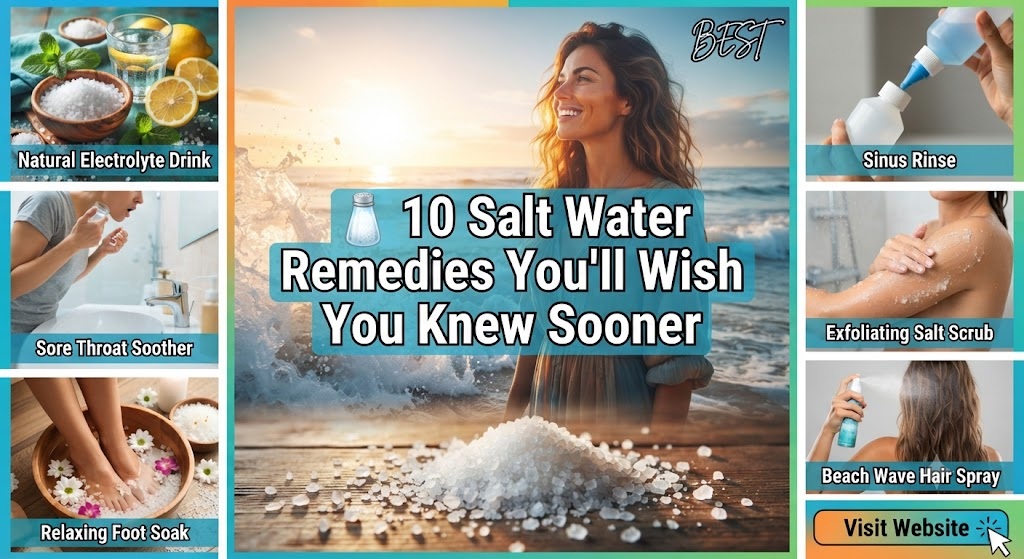
Salt water remedies
The Ancient Alchemy of Salt: A Complete Guide to Salt Water Remedies for Modern Health
For millennia, salt has been more than just a seasoning; it has been a cornerstone of human civilization, trade, and medicine. From the ancient Egyptian papyri to the Ayurvedic traditions of India, salt water has been revered for its ability to cleanse, heal, and preserve. In an age of complex pharmaceuticals, the simple synergy of sodium chloride and H2O remains one of the most effective, accessible, and scientifically backed home remedies available.
The Science of Saline: Why Salt Water Works
To understand why salt water is effective, we must look at the principles of biology and chemistry—specifically, osmosis.
1. The Osmotic Effect
When you apply a saline solution to inflamed tissue (like a sore throat or a swollen gum), the salt concentration outside the cells is higher than inside. Through osmosis, water is drawn out of the swollen tissues. This reduction in fluid decreases pressure, alleviates pain, and shrinks inflammation.
2. Antibacterial Properties
While salt isn’t a “kill-all” antibiotic, it creates an inhospitable environment for many types of bacteria. Most pathogens struggle to survive in high-salinity environments because the salt dehydrates them. Furthermore, salt water helps increase the pH levels in the mouth, creating an alkaline environment that prevents bacteria from thriving.
3. Mechanical Cleansing
Whether it’s a nasal rinse or a wound wash, salt water acts as a gentle mechanical debriding agent. It thins mucus, dislodges debris, and flushes out allergens and pathogens without the irritating chemicals found in many over-the-counter products.
Oral Health: The Power of the Salt Water Gargle
The salt water gargle is perhaps the most famous home remedy in existence. It is the first line of defense recommended by dentists and doctors alike for a variety of oral ailments.
Sore Throat Relief
A sore throat is often the result of inflammation caused by a viral or bacterial infection. Gargling with salt water draws out excess fluid from the tissues in the throat, providing immediate, albeit temporary, pain relief.
Canker Sores and Mouth Ulcers
Canker sores are painful open sores in the mouth. Salt water helps by neutralizing the acidity in the mouth and promoting faster healing through its mild antiseptic properties.
Post-Dental Surgery Recovery
After a tooth extraction or oral surgery, dentists often advise against harsh mouthwashes. A gentle salt water rinse keeps the extraction site clean, prevents “dry socket,” and reduces the risk of infection without disrupting the natural healing clot.
The Ultimate Salt Water Mouthwash Recipe
- Ingredients:
- 1 cup (8 oz) of warm distilled or filtered water.
- 1/2 to 3/4 teaspoon of high-quality sea salt or Himalayan pink salt.
- Optional: 1 drop of peppermint oil for freshness.
- Instructions:
- Dissolve the salt completely in the warm water.
- Take a large sip and swish it around your mouth for 30 seconds.
- Tilt your head back and gargle at the back of the throat for another 30 seconds.
- Spit the solution out. Do not swallow.
- Repeat 2–3 times a day until symptoms subside.
Respiratory Health: Saline for Sinuses and Allergies
In the realm of respiratory health, saline solutions are nothing short of miraculous for those suffering from chronic sinusitis, hay fever, or the common cold.
Nasal Irrigation (The Neti Pot)
Nasal irrigation involves pouring a saline solution through the nasal passages to thin mucus and wash away allergens like pollen and dust. This practice has its roots in “Jala Neti,” an ancient Yoga technique.
The Science of Cilia
The nose is lined with microscopic hairs called cilia. These cilia move back and forth to push mucus toward the throat to be swallowed. When you are sick or have allergies, these cilia can become sluggish. Salt water “awakens” the cilia, helping them move faster and clear the airway more efficiently.
Safe Nasal Rinse Recipe
CRITICAL SAFETY NOTE: Never use untreated tap water for nasal irrigation. Use only distilled, sterile, or previously boiled (and cooled) water to avoid rare but fatal parasitic infections.
- Ingredients:
- 1 cup (8 oz) of distilled warm water.
- 1/4 teaspoon of non-iodized salt (to avoid stinging).
- 1/4 teaspoon of baking soda (to buffer the solution and make it gentler).
- Instructions:
- Mix the salt and baking soda into the water.
- Using a Neti pot or a squeeze bottle, lean over a sink and tilt your head to one side.
- Pour the solution into the upper nostril and allow it to drain out the lower nostril.
- Breathe through your mouth during the process.
- Gently blow your nose afterward.
Skin Care: Salt as a Natural Beautifier
The ocean has long been associated with clear, glowing skin. You can replicate the benefits of “thalassotherapy” (sea water therapy) at home to treat various skin conditions.
Acne and Pore Cleansing
Salt is a natural exfoliant and a gentle antiseptic. It helps to balance oil production and kill the bacteria that lead to breakouts.
Eczema and Psoriasis
While salt water can sting open wounds, mineral-rich salt baths (using Dead Sea salt or Epsom salt) are famous for soothing the dry, itchy scales of psoriasis and eczema. The magnesium in these salts improves skin barrier function and hydration.
DIY Sea Salt Face Toner
- Ingredients:
- 1/2 cup of warm distilled water.
- 1 teaspoon of fine sea salt.
- A spray bottle.
- Instructions:
- Dissolve the salt in the water.
- Once cooled, pour into the spray bottle.
- Mist onto clean, dry skin (avoiding the eyes).
- Allow it to sit for 5 minutes, then rinse with cool water.
- Follow with a moisturizer, as salt can be drying.
The Revitalizing Body Scrub
- Ingredients:
- 1/2 cup of coarse sea salt.
- 1/4 cup of carrier oil (coconut, olive, or sweet almond oil).
- 5 drops of lavender or eucalyptus essential oil.
- Instructions:
- Mix ingredients into a thick paste.
- In the shower, massage the scrub into your skin in circular motions.
- Rinse thoroughly. This removes dead skin cells and boosts circulation.
Wound Care and Piercings
Before the advent of modern antiseptic creams, saline was the gold standard for cleaning wounds. It remains the preferred method for many professional piercers because it is isotonic—meaning it matches the body’s natural fluid balance and won’t damage healing tissue.
Cleaning Minor Cuts and Scrapes
A sterile saline wash removes dirt and bacteria without the stinging or tissue damage caused by hydrogen peroxide or alcohol.
Piercing Aftercare Solution
- Ingredients:
- 1 cup of distilled water.
- 1/4 teaspoon of non-iodized sea salt.
- Instructions:
- Mix the solution.
- Soak a clean gauze pad or cotton ball in the solution.
- Apply to the piercing for 5–10 minutes.
- Rinse with plain water to remove any salt crust.
Internal Use: The “Sole” Water Ritual
“Sole” (pronounced so-lay) is essentially water that has been fully saturated with Himalayan pink salt. Proponents claim it helps with hydration, energy levels, and mineral supplementation.
The Benefits of Electrolytes
Salt is an essential electrolyte. When we sweat, we lose sodium. Drinking a small amount of salt water can help the body retain the necessary amount of water for cellular function. This is especially popular among athletes and those on ketogenic diets who lose minerals rapidly.
How to Make Sole Water
- Ingredients:
- A glass jar with a non-metal lid (salt corrodes metal).
- Himalayan pink salt rocks or coarse salt.
- Filtered water.
- Instructions:
- Fill the jar 1/4 of the way with Himalayan salt.
- Fill the rest of the jar with filtered water, leaving an inch at the top.
- Let it sit for 24 hours.
- If all the salt dissolves, add more salt. When salt no longer dissolves and sits at the bottom, the water is fully saturated (Sole).
- To use: Add 1 teaspoon of this Sole liquid to a 12 oz glass of plain water and drink it first thing in the morning.
Muscle and Joint Care: The Salt Soak
While table salt (sodium chloride) is great for many things, Epsom Salt (magnesium sulfate) is the king of the bathtub.
Relief for Aching Muscles
Magnesium is a natural muscle relaxant. When dissolved in warm water, it is absorbed through the skin (transdermal absorption), helping to ease muscle cramps, reduce inflammation, and even improve sleep.
The Ultimate Detox Bath
- Ingredients:
- 2 cups of Epsom salt.
- 1/2 cup of Sea salt.
- 1/2 cup of Baking soda (to neutralize chemicals in the tap water).
- 10 drops of Frankincense or Lavender oil.
- Instructions:
- Run a hot bath.
- Dissolve all ingredients while the water is running.
- Soak for at least 20 minutes.
- Drink a glass of water during the soak to stay hydrated.
Comprehensive Recipe Reference Table
| Remedy Type | Application | Salt Type | Ratio | Frequency |
|---|---|---|---|---|
| Gargle | Sore throat, gums | Sea Salt | 1/2 tsp per 1 cup water | 3x daily |
| Nasal Rinse | Sinus, Allergies | Non-iodized | 1/4 tsp per 1 cup water | 1-2x daily |
| Wound Wash | Cuts, Piercings | Sea Salt | 1/4 tsp per 1 cup water | 2x daily |
| Face Toner | Acne, Oil control | Fine Sea Salt | 1 tsp per 1/2 cup water | 1x daily |
| Sole Water | Hydration | Himalayan | Saturated solution | 1 tsp in 12oz water |
| Foot Soak | Athlete’s foot | Sea Salt | 1/4 cup per gallon | 20 mins daily |
Choosing Your Salt: Does the Type Matter?
Not all salts are created equal. When preparing remedies, the quality of the salt can influence the outcome.
- Table Salt: Highly processed, usually contains anti-caking agents and iodine. It’s usable for gargling but may sting in nasal rinses due to additives.
- Sea Salt: Harvested from evaporated sea water. It contains trace minerals like potassium and iron. Excellent for skin and oral health.
- Himalayan Pink Salt: Mined from ancient sea beds in Pakistan. It contains over 84 trace minerals and is considered the purest form of salt for internal consumption (Sole).
- Epsom Salt: Technically not salt (it’s magnesium sulfate). Use this exclusively for soaking and muscle relief, not for gargling or nasal rinses.
- Dead Sea Salt: Has a unique mineral composition (high in bromide and magnesium). Best for therapeutic skin baths for conditions like psoriasis.
Precautions and Safety Guidelines
While salt water is a natural remedy, it must be used correctly to avoid adverse effects.
- Hypertension (High Blood Pressure): Those on low-sodium diets should be cautious with internal salt water remedies like Sole water. Consult a doctor first.
- Dehydration: Excessive salt water gargling or skin application without rinsing can lead to localized dehydration. Always follow up skin treatments with a moisturizer.
- Water Quality: As mentioned, never use tap water for nasal irrigation. The risk of Naegleria fowleri (the brain-eating amoeba) is real, though rare.
- Do Not Swallow Gargle Water: Swallowing concentrated salt water can cause nausea, vomiting, and electrolyte imbalances.
- Children: Supervise children when gargling to ensure they don’t swallow the solution or choke.
Conclusion: The Timeless Utility of Salt
In an era where we often look for the most high-tech solution to our health problems, salt water reminds us of the power of simplicity. Whether you are soothing a scratchy throat, clearing your sinuses after a dusty day, or seeking a natural way to glow, salt water provides a bridge between ancient wisdom and modern biological understanding.
By keeping a jar of high-quality sea salt or Himalayan salt in your pantry, you aren’t just stocking a spice; you are maintaining a versatile, effective, and extremely affordable medicine cabinet. Respect the ratios, prioritize water purity, and listen to your body—the ocean’s healing power is as close as your kitchen sink.