Natural Household Cleaning Tricks Everyone Loves
Natural Household Cleaning Tricks Everyone Loves: The Complete Guide to DIY Green Cleaning
Introduction: Why Natural Cleaning Is Taking Over
There’s a quiet revolution happening in homes across the world—and it’s happening right under the kitchen sink. More families are ditching the colorful bottles of chemical-laden cleaners and reaching for pantry staples instead. And the reason is simple: natural cleaning works. In fact, natural ingredients often outperform their chemical counterparts when it comes to dissolving mineral buildup, cutting through grease, and deodorizing without masking odors.
“Homemade cleaners are often made from ingredients you may already have on hand or found at your local store,” says Gina Peek, Oklahoma State University Cooperative Extension housing and consumer specialist. “They may be just as effective as any product you can purchase and often are more environmentally friendly”.
The benefits go beyond just saving money. By making your own cleaners, you reduce plastic waste, improve indoor air quality, and keep hazardous chemicals out of your home and waterways. Commercial cleaners often contain ingredients that haven’t been fully tested for long-term health effects. When you clean with vinegar, baking soda, and essential oils, you know exactly what you’re bringing into your home.
This comprehensive guide will walk you through everything you need to know—from stocking your natural cleaning pantry to detailed recipes for every room in your house.
Part 1: The Natural Cleaning Pantry—Essential Ingredients
Before diving into recipes, you need to stock your cleaning arsenal. The beauty of natural cleaning is that most ingredients are already in your kitchen. Here’s what you’ll need:
White Distilled Vinegar
The undisputed workhorse of natural cleaning. Vinegar is acidic, which makes it excellent for dissolving mineral buildup, soap scum, and grease. It also tackles more than 80 percent of mold species, including black mold. Keep a gallon on hand at all times.
Baking Soda (Bicarbonate of Soda)
A mild abrasive that’s gentle enough to avoid scratching but tough enough to lift baked-on grime. Baking soda neutralizes odors rather than masking them—place an open box in the fridge, sprinkle it in the trash can, or dust it on carpets before vacuuming.
Castile Soap
A plant-based liquid soap that cuts grease beautifully. A little goes a long way, so dilute generously. Dr. Bronner’s is the most well-known brand, available in unscented or various essential oil scents.
Essential Oils
These do more than just make your cleaners smell good. Lemon and orange oils cut grease, lavender and peppermint are antimicrobial and deodorizing, and tea tree oil has powerful antibacterial properties.
Hydrogen Peroxide (3%)
A genuine disinfectant that breaks down into just water and oxygen. Store it in an opaque spray bottle to keep it from breaking down in light.
Lemon Juice
A natural bleach and brightener. Lemon juice cuts through grease and leaves a fresh scent.
Rubbing Alcohol (Isopropyl Alcohol)
Excellent for glass cleaners and disinfecting recipes.
Borax (Use with Caution)
While borax has been a staple in DIY cleaning for decades, newer research has raised concerns. Europe added borax to its list of substances of very high concern in 2010, and California lists it as a reproductive toxin. The Environmental Working Group recommends skipping borax in homemade cleaners. Many effective recipes work without it.
Equipment
-
Glass spray bottles (plastic can degrade with essential oils)
-
Glass jars with lids for storage
-
Microfiber cloths
-
A funnel
-
Labels (always label your homemade cleaners with ingredients and date)
Part 2: All-Purpose Cleaners—The Foundation of Natural Cleaning
These versatile recipes handle 80 percent of your daily cleaning needs.
Recipe 1: The Classic 3-Ingredient All-Purpose Cleaner
Why everyone loves it: It’s the simplest recipe imaginable and works on most surfaces.
Ingredients:
-
1 cup white distilled vinegar
-
1 cup water (distilled preferred)
-
10 drops of essential oil (lemon, lavender, tea tree, or orange)
Instructions:
-
Combine all ingredients in a spray bottle
-
Shake gently to mix
-
Label the bottle clearly with contents and date
How to use: Spray on countertops, sinks, appliance exteriors, and other sealed surfaces. Let it sit for a minute or two, then wipe with a cloth.
Pro tip: Microwave your vinegar before adding it to the solution for stronger results.
Recipe 2: Borax-Based All-Purpose Cleanser
Why everyone loves it: This recipe, recommended by Oklahoma State University Extension, creates a more heavy-duty cleaner.
Ingredients:
-
2 tablespoons borax
-
¼ cup white vinegar
-
2 cups hot water
Instructions:
-
Combine all ingredients in a spray bottle
-
Shake well until borax dissolves
-
Apply like any commercial all-purpose cleaner
Safety note: As mentioned above, consider skipping borax and using alternative recipes if you have concerns about its safety.
Recipe 3: Citrus-Infused All-Purpose Spray
Why everyone loves it: This recipe uses citrus peels that would otherwise go to waste, creating a beautifully scented, powerful cleaner.
Ingredients:
-
1 cup distilled white vinegar
-
1 cup water
-
Peel from 2–3 lemons or oranges
-
10–15 drops of essential oil (optional: lemon, orange, or lavender)
Instructions:
-
Place citrus peels in a jar and cover with vinegar
-
Let the mixture sit for 3–7 days, shaking occasionally
-
Strain out the peels
-
Mix equal parts citrus-infused vinegar and water in a spray bottle
-
Add essential oil if desired
How to use: This is the perfect “everyday reset” cleaner for countertops, sinks, and high-touch areas like door handles and light switches.
Recipe 4: Celebrity-Endorsed Surface Spray
Why everyone loves it: Endorsed by Real Housewife Krissy Marsh, this recipe proves you don’t need expensive products.
Ingredients:
-
1 tablespoon mild liquid dish soap (Castile soap works beautifully)
-
1 litre hot water
-
¼ cup white distilled vinegar
-
Juice of 1 lemon
-
10 drops lavender essential oil (eucalyptus works too)
Instructions:
-
Combine all ingredients in a 1-litre spray bottle
-
Shake to combine
-
Use to spray and wipe down surfaces
The logic: “If you look at most cleaning products you use at home, the majority ingredient is water. So, you’re basically paying for water you get out of your own tap,” Krissy explains.
Part 3: Kitchen Cleaning—Tackling Grease, Grime, and Odors
The kitchen sees the most action and toughest messes. These natural solutions handle everything.
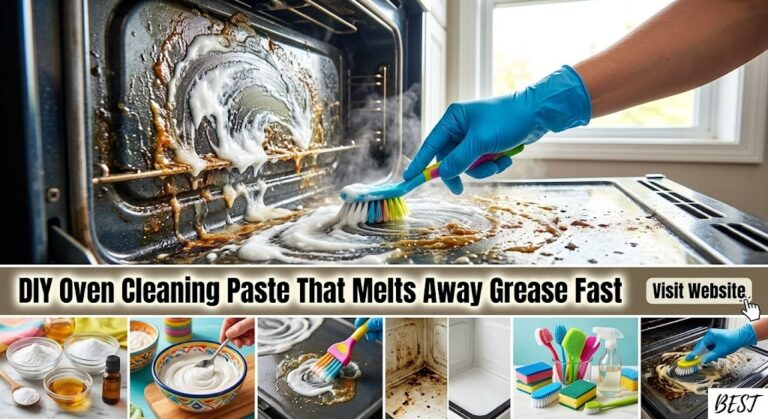
Oven Cleaner (The Overnight Method)
Why everyone loves it: No toxic fumes, no harsh chemicals, and it actually works better than commercial oven cleaners.
Ingredients:
-
¾ cup baking soda
-
¼ cup warm water
-
White vinegar in a spray bottle
Instructions:
-
Mix baking soda and water to form a spreadable paste
-
Remove oven racks
-
Spread the paste over all interior surfaces (avoid heating elements)
-
Let it sit overnight (at least 12 hours)
-
Wipe away with a damp cloth
-
Spray vinegar on remaining residue and wipe clean
For extra grease-cutting power: Add 10 drops of lemon essential oil to the paste.
Kitchen Surface and Stovetop Cleaner
Why everyone loves it: This paste handles baked-on food without scratching.
Ingredients:
-
¾ cup baking soda
-
A few drops of water or liquid Castile soap
Instructions:
-
Mix to form a paste
-
Wipe surfaces with a damp rag first
-
Spread the paste in an even layer
-
Allow it to sit for about 15 minutes
-
Gently scrub baked-on areas with a sponge
-
Wipe with a clean, damp rag
Cutting Board Deodorizer and Cleaner
Why everyone loves it: Two simple options that remove onion and garlic odors without chemicals.
Option 1: Spread a baking soda paste on the cutting board and let stand 15 minutes.
Option 2: Rub a cut lemon onto the washed cutting board.
For sanitizing: Use 3% hydrogen peroxide directly on the cutting board to kill germs.
Garbage Disposal Freshener
Why everyone loves it: Uses lemon scraps you’d throw away anyway.
Instructions:
-
Pour a full kettle of hot water down the drain
-
Grind up used lemons in the disposal
Coffee Maker Descaler
Why everyone loves it: Removes mineral buildup that affects the taste of your coffee.
Instructions:
-
Run a cycle with equal parts vinegar and water
-
Follow with two cycles of plain water to rinse
Garbage Can Deodorizer
Why everyone loves it: Keeps the smelliest spot in your kitchen fresh.
Ingredients:
-
1 cup baking soda
-
1 teaspoon tea tree oil
Instructions:
-
Work out all lumps with a fork
-
Sprinkle mixture in the bottom of the can after the liner is removed
-
Periodically rinse the garbage can with vinegar and let it dry in the sun
Part 4: Bathroom Cleaning—Mold, Mildew, and Soap Scum
Bathrooms are where natural cleaning truly shines. Vinegar dissolves hard water stains that commercial sprays only smear around.
Bathroom Cleaning Paste
Why everyone loves it: This paste tackles soap scum, tubs, showers, and sinks with minimal effort.
Ingredients:
-
¾ cup baking soda
-
2–3 tablespoons hydrogen peroxide
-
2–3 tablespoons liquid Castile soap
Instructions:
-
Mix to form a paste
-
Apply with a rag using circular motions
-
Wait 10 minutes before wiping
-
Rinse thoroughly
Where to use: Bathtubs, showers, and sinks.
Mold and Mildew Spray
Why everyone loves it: One ingredient is all you need—and it works.
Ingredients:
-
Distilled white vinegar
Instructions:
-
Spray vinegar directly onto moldy areas
-
Let it sit for one hour
-
Scrub with the bathroom cleaning paste
Why it works: White vinegar effectively treats more than 80 percent of mold species, including black mold.
Grout Cleaner
Why everyone loves it: Brings dingy grout back to life without harsh bleach fumes.
Ingredients:
-
Baking soda
-
Warm water
-
White vinegar in a spray bottle
Instructions:
-
Mix baking soda with a small amount of warm water to form a thick paste
-
Slather onto grout lines
-
Spray white vinegar on top—the mixture will bubble
-
Allow to sit for about 15 minutes
-
Scrub with a stiff grout brush or old toothbrush
-
Rinse with warm water and dry with a clean cloth
Toilet Cleaner (Overnight Method)
Why everyone loves it: Works while you sleep.
Ingredients:
-
¼ cup vinegar
-
1 cup borax (or substitute with 1 cup baking soda)
Instructions:
-
Pour both into the toilet bowl before bed
-
Let sit overnight (or for several hours when toilet won’t be used)
-
Scrub and flush in the morning
Borax-free alternative: Combine 1 cup baking soda with 50 drops of tea tree oil. Sprinkle in the bowl, let sit, scrub, and flush.
Showerhead Descaler
Why everyone loves it: Restores water pressure without removing the showerhead.
Instructions:
-
Fill a plastic bag with undiluted white vinegar
-
Secure the bag around the showerhead with a rubber band
-
Let it soak overnight
-
Remove the bag and wipe clean
Glass and Mirror Cleaner
Why everyone loves it: Streak-free shine that rivals any commercial product.
Ingredients:
-
1 cup water
-
1 tablespoon vinegar
-
1 cup rubbing alcohol
Instructions:
-
Combine in a spray bottle
-
Spray on glass and mirrors
-
Wipe with a clean cloth—newspaper works exceptionally well for streak-free results
Part 5: Floor Cleaning—From Hardwoods to Tiles
Different floors need different approaches. Here are natural solutions for every surface.
All-Purpose Floor Cleaner
Why everyone loves it: Simple, effective, and works on most floor types.
Ingredients:
-
1 cup white distilled vinegar
-
1 gallon warm water
Instructions:
-
Mix in a bucket
-
Mop floors as usual
-
No rinsing required
For linoleum floors: Nothing cleans better than 1 cup of white vinegar in 2 gallons of water.
Degreasing Floor Cleaner
Why everyone loves it: Cuts through kitchen floor grease.
Ingredients:
-
1 cup white distilled vinegar
-
½ cup 70% rubbing alcohol
-
1 gallon warm water
Instructions:
-
Combine in a bucket
-
Mop as usual
Floor Cleaner with Essential Oils
Why everyone loves it: Leaves floors smelling fresh and naturally repels insects.
Ingredients:
-
½ cup white vinegar
-
½ cup vodka
-
1 teaspoon eucalyptus or peppermint oil
-
Bucket of boiling water
Instructions:
-
Add all ingredients to a bucket of hot water
-
Mop floors
Bonus: Adding a few drops of eucalyptus oil to mopping water freshens indoor spaces and can help deter flies.
Wood Floor Warning
Important: Avoid using vinegar-based cleaners on hardwood floors, as the acidity may strip the surface. For wood floors, use a cleaner specifically designed for them or simply use warm water with a few drops of Castile soap.
Part 6: Laundry—Natural Detergents and Stain Removers
Making your own laundry products is one of the most impactful changes you can make. Conventional detergents are often petroleum-based and don’t break down properly in sewage treatment.
DIY Natural Laundry Detergent Powder
Why everyone loves it: One batch makes up to 96 loads of laundry for pennies.
Ingredients:
-
1 bar of Castile soap (or your favorite natural soap)
-
1 to 1½ cups washing soda
-
1 cup baking soda
-
¼ cup Epsom salts
-
½ cup powdered citric acid (optional, for extra stain-fighting)
Instructions:
-
Grate the bar of soap into fine pieces (use a food processor for speed)
-
Combine all ingredients in a food processor or large bowl
-
Pulse or mix until well combined
-
Store in an airtight container
How to use: Use 1–2 tablespoons per load. For large loads with lots of stains, try 1–3 tablespoons.
Customization: Add 20–25 drops of essential oils for a fresh scent. Try lemon and eucalyptus for a fresh scent, or lavender and chamomile for calming linens.
Alternative Laundry Detergent Recipe (Borax-Free)
Ingredients:
-
1 cup grated soap bar
-
1 cup washing soda
-
1 cup baking soda
-
¼ cup Epsom salt
-
20–25 drops essential oils (optional)
Storage: Since this recipe is dry and contains no water, it stays fresh for 6 to 12 months when stored properly in an airtight container.
Natural Stain Remover
Why everyone loves it: Works on food, grease, and set-in stains.
Ingredients:
-
2 ounces dishwashing detergent
-
2 ounces white vinegar
-
2 ounces water
Instructions:
-
Mix all ingredients in a container
-
Apply directly to stains
-
Let sit for 15 minutes
-
Launder as usual
For tough stains: Sprinkle baking soda directly on the stain, add a few drops of dish soap, let sit for 15 minutes, then scrub with an old toothbrush.
For whites: Mix baking soda with fresh lemon juice, add white vinegar, a little dish soap, and water. Shake well and apply to stains.
Washing Machine Cleaner
Why everyone loves it: Keeps your machine smelling fresh and working efficiently.
Ingredients:
-
2 cups white distilled vinegar
-
½ cup baking soda
-
10–15 drops essential oil (optional—tea tree or lemon work well)
Instructions:
-
Pour vinegar directly into the drum—do not add detergent or clothes
-
Select the hottest and longest wash cycle (often called “tub clean” or “sanitize”)
-
After the cycle starts and fills with water, add the baking soda
-
Run the full cycle
-
Wipe down the drum with a cloth
For front-loaders: Use a microfiber cloth and a mild vinegar solution (¼ cup vinegar in 1 quart of water) to clean around and inside the rubber gasket.
Natural Fabric Softener Alternative
Why everyone loves it: Skip dryer sheets entirely.
Instructions:
-
Add ½ cup of white vinegar to the rinse cycle
-
Your clothes will come out soft with no vinegar smell once dry
Part 7: Living Areas—Dusting, Polishing, and Freshening
Dust-Repelling Spray
Why everyone loves it: Keeps dust away for up to a month.
Ingredients:
-
60ml distilled white vinegar
-
1 tablespoon extra virgin olive oil
-
A few drops of dish soap
-
1.5 cups water
Instructions:
-
Combine all ingredients in a spray bottle
-
Shake well to blend
-
Lightly spritz onto a microfiber cloth
-
Wipe across surfaces—the solution gathers dust and prevents it from resettling
Pro tip: You may need an additional clean, dry cloth to eliminate excess and remove streaks.
Wood Furniture Polish
Why everyone loves it: Nourishes and protects wood while leaving a beautiful shine.
Ingredients:
-
½ cup olive oil
-
¼ cup white vinegar
-
10 drops lemon essential oil
-
1 cup water
Instructions:
-
Combine all ingredients in a spray bottle
-
Shake well before each use
-
Lightly spray onto a soft cloth
-
Wipe down wood surfaces
Alternative recipe: Mix ½ cup lemon juice with ¼ cup olive oil in a spray bottle. Polish with a clean, soft cloth, then buff with another clean cloth.
Room Deodorizing Spray
Why everyone loves it: Freshens air without masking odors with chemicals.
Ingredients:
-
1 cup water
-
2 tablespoons baking soda
-
10–15 drops of your favorite essential oils (lavender, lemon, eucalyptus, peppermint)
Instructions:
-
Combine in a spray bottle
-
Shake well before each use
-
Spray lightly in rooms
Baking Soda Air Freshener (Passive)
Why everyone loves it: Lasts for weeks with zero effort.
Ingredients:
-
1 cup baking soda
-
10–20 drops essential oil (lavender or lemon work beautifully)
Instructions:
-
Fill a small jar with baking soda
-
Add essential oil and stir
-
Cover with breathable fabric or a lid with small holes
-
Place in any room—the scent releases steadily for weeks
For bathrooms: Mix 10 to 20 drops of essential oil into a 1-pound box of baking soda. Place the open box under the sink or near the toilet. Replace baking soda every three months.
Carpet Odor Absorber
Why everyone loves it: Removes pet, food, and smoke odors.
Instructions:
-
Sprinkle baking soda generously over the entire carpet
-
Leave on for one hour or overnight if possible
-
Vacuum thoroughly
Carpet Spot Cleaner
Why everyone loves it: Handles spills and stains without harsh chemicals.
Ingredients:
-
2 cups white vinegar
-
2 cups water
-
2 tablespoons baking soda
Instructions:
-
Gradually stir baking soda into the vinegar and water
-
Spray without over-saturating the carpet
-
Use a soft brush or microfiber cloth to gently scrub the carpet fibers
-
Blot the treated area dry
Part 8: Specialty Cleaners—Glass, Stainless Steel, and More
Glass and Mirror Cleaner (Streak-Free)
Why everyone loves it: Better than commercial glass cleaners.
Ingredients:
-
1 cup distilled water
-
1 cup rubbing alcohol
-
½ teaspoon liquid Castile soap (optional, for extra grease cutting)
Instructions:
-
Combine in a spray bottle
-
Spray on glass and mirrors
-
Wipe with a clean, dry cloth or newspaper
Stainless Steel Cleaner
Why everyone loves it: Leaves appliances gleaming without streaks.
Ingredients:
-
White vinegar
-
A few drops of olive oil
Instructions:
-
Combine in a spray bottle
-
Shake well before use
-
Lightly mist the appliance
-
Using a microfiber cloth, wipe with the grain of the steel
Antiseptic Soap Spray
Why everyone loves it: Great for high-touch areas.
Ingredients:
-
3 tablespoons liquid soap
-
20–30 drops of tea tree oil
-
2 cups water
Instructions:
-
Combine in a spray bottle
-
Use on countertops, door handles, and other surfaces
Drains: Natural Unclogger
Why everyone loves it: Clears clogs without dangerous chemicals.
Instructions:
-
Pour ½ cup baking soda down the drain
-
Follow with ½ cup vinegar
-
Cover the drain and let sit for 15 minutes
-
Follow with 2 quarts of boiling water
For garbage disposals: Pour baking soda down the drain, add vinegar, and let the natural reaction work for 10–15 minutes before flushing with hot water.
Part 9: Natural Cleaning Safety and Best Practices
While natural cleaners are safer than commercial chemicals, you still need to follow basic safety guidelines.
What NOT to Mix
Never mix bleach with vinegar—this creates toxic chlorine gas. Similarly, never mix bleach with ammonia. When in doubt, use one cleaner at a time and rinse surfaces between different products.
Surfaces to Avoid with Vinegar
Do not use vinegar-based cleaners on:
-
Natural stone (marble, granite, quartz, travertine)—the acid can etch the surface
-
Hardwood floors—vinegar may strip the finish
-
Screens (TV, laptop, phone screens)
-
Unsealed grout (in small diluted quantities it’s fine, but don’t use vinegar directly on grout as it can be too corrosive)
Storage Guidelines
-
Store cleaners in clearly labeled containers with the name, ingredients, and date created
-
Use glass containers for mixtures with essential oils
-
Only make enough cleaner for what you need at the time, or no more than a month’s supply
-
Always store cleaning products out of reach of children and pets
-
Work in a well-ventilated area when combining ingredients
Disinfecting vs. Cleaning
It’s important to understand the difference. Vinegar is excellent for cleaning and deodorizing, but it doesn’t reliably kill many germs, including norovirus and several drug-resistant bacteria. For situations where you need genuine disinfection—like cutting boards used for raw meat—reach for 3% hydrogen peroxide instead.
Part 10: Why Everyone Loves Natural Cleaning
It Saves Money
Homemade cleansers usually cost less to make compared to commercial cleaners. When you consider that most commercial products are mostly water, you’re paying a premium for packaging and marketing.
It’s Better for Indoor Air Quality
Commercial cleaning products can release volatile organic compounds (VOCs) that affect indoor air quality. Homemade cleaners help improve the air you breathe.
It Reduces Plastic Waste
By using refillable glass spray bottles, you eliminate the endless stream of plastic cleaning bottles. Buying ingredients in bulk reduces packaging waste even further.
It’s Safer for Kids and Pets
Natural cleaners are safe to use around kids and pets while being just as effective at getting rid of dirt and grime. You don’t have to worry about harsh chemical residues on surfaces your children touch or your pets walk on.
It Actually Works Better in Some Cases
Vinegar dissolves hard water that chemical sprays smear around. Baking soda scours without scratching. Hydrogen peroxide disinfects and breaks down into just water and oxygen.
Quick Reference: Recipe Summary Card
| Cleaner Type | Key Ingredients | Best For |
|---|---|---|
| All-Purpose | Vinegar, water, essential oil | Countertops, sinks, appliances |
| Glass/Mirror | Water, rubbing alcohol, vinegar | Windows, mirrors, chrome |
| Bathroom Scrub | Baking soda, hydrogen peroxide, Castile soap | Tubs, showers, sinks |
| Oven Cleaner | Baking soda, water, vinegar | Oven interiors |
| Floor Cleaner | Vinegar, water (add alcohol for grease) | Tile, linoleum |
| Laundry Detergent | Soap, washing soda, baking soda | All laundry |
| Furniture Polish | Olive oil, vinegar, lemon oil | Wood furniture |
| Carpet Deodorizer | Baking soda | Carpets, rugs |
| Drain Cleaner | Baking soda, vinegar | Clogged drains |
Conclusion
Natural household cleaning isn’t a trend—it’s a return to what works. The ingredients your grandmother used are still the most effective, affordable, and safest options available. Vinegar, baking soda, Castile soap, and essential oils can handle virtually every cleaning task in your home, from the greasiest oven to the most stubborn carpet stain.
The recipes in this guide have been tested and loved by thousands of people who have made the switch. Start with one or two recipes—perhaps the all-purpose cleaner and the bathroom scrub—and expand from there. You’ll be amazed at how quickly you wonder why you ever bought commercial cleaners.
Remember: Clean doesn’t have a chemical smell. Clean has no smell at all—just surfaces that gleam and air that’s fresh.