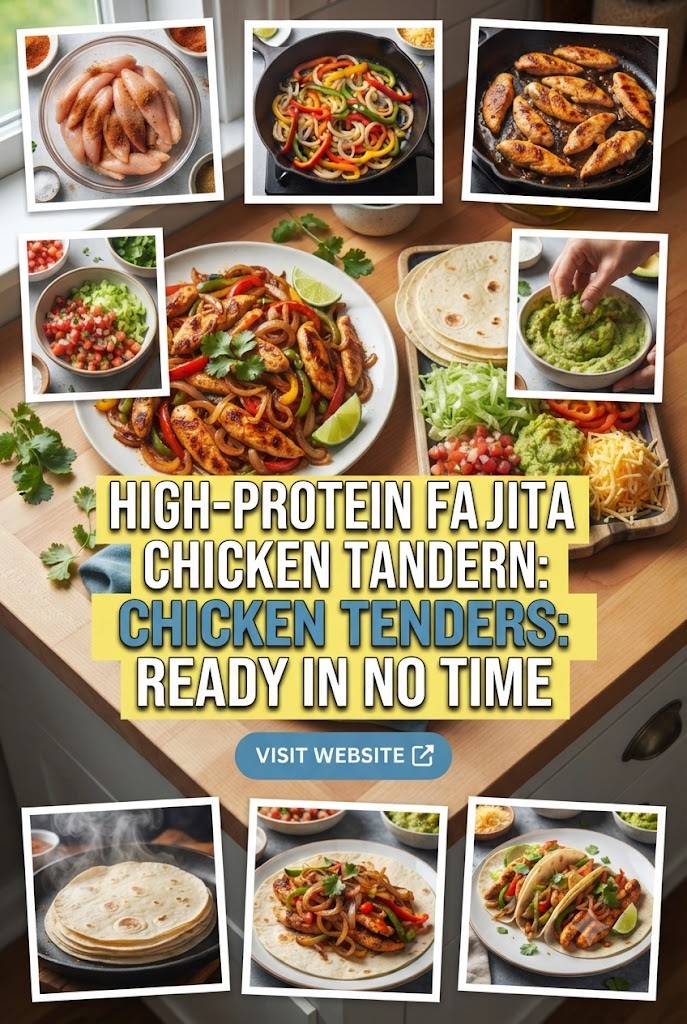
High-Protein Fajita Chicken Tenders: Ready in No Time
In the fast-paced world of modern living, the intersection of health, flavor, and convenience is the ultimate goal for anyone trying to maintain a balanced lifestyle. Whether you are a dedicated fitness enthusiast, a busy parent, or a professional with a packed schedule, finding a meal that satisfies your cravings while supporting your nutritional goals can feel like a daunting task. Enter the High-Protein Fajita Chicken Tender—a culinary powerhouse that brings the bold, smoky flavors of Tex-Mex cuisine into a lean, protein-packed format that is ready in under 20 minutes.
This comprehensive guide explores everything you need to know about crafting the perfect fajita chicken tenders. From the science of protein to the art of the perfect spice rub, we will delve into how this simple dish can transform your meal prep routine and help you reach your fitness milestones without ever sacrificing taste.
The Power of High-Protein Nutrition
Before we dive into the sizzling pans and aromatic spices, it is essential to understand why high-protein meals like these fajita chicken tenders are a cornerstone of modern nutrition. Protein is not just for bodybuilders; it is the fundamental building block of every cell in the human body.
Muscle Preservation and Growth
When you consume chicken tenders—specifically lean breast meat or tenderloins—you are providing your body with high-quality, complete protein. This means it contains all nine essential amino acids that your body cannot produce on its own. These amino acids are critical for repairing muscle tissue after a workout and maintaining lean muscle mass as you age.
The Thermic Effect of Food (TEF)
Protein has a higher thermic effect compared to fats and carbohydrates. This means your body uses more energy (calories) to digest and process protein than it does for other macronutrients. By centering your meals around high-protein chicken, you are essentially giving your metabolism a natural boost.
Satiety and Weight Management
One of the biggest hurdles in any health journey is hunger. Protein is incredibly satiating. It signals the release of hormones that tell your brain you are full, reducing the likelihood of late-night snacking or overeating. Fajita chicken tenders, when seasoned correctly, provide a satisfying chew and a depth of flavor that keeps the palate engaged.
Why Fajita Flavor? The Tex-Mex Advantage
Fajitas are a staple of Tex-Mex cuisine, traditionally consisting of grilled meat served on a flour or corn tortilla. By adapting this flavor profile to chicken tenders, you tap into a specific sensory experience.
The magic of “fajita” flavor lies in the balance of four key elements:
- Smoke: Derived from cumin and smoked paprika.
- Heat: A subtle kick from chili powder or cayenne.
- Earthiness: From dried oregano and garlic powder.
- Acid: The bright, citrusy finish of fresh lime juice.
Unlike heavy cream sauces or sugary glazes, a dry fajita rub adds immense flavor with virtually zero added calories. This makes it the perfect seasoning strategy for those tracking their macros or looking for “clean” eating options.
Essential Ingredients for the Perfect Fajita Chicken Tenders
To achieve restaurant-quality results at home, the quality of your ingredients matters. Here is a breakdown of what you will need and why each component is vital.
The Chicken
- Chicken Tenderloins: These are the small, tender strips of meat attached to the underside of the chicken breast. They are naturally more succulent and cook faster than a full breast.
- Sourcing: If possible, opt for “air-chilled” chicken. Water-chilled chicken often retains excess moisture, which can prevent the tenders from getting that desirable golden-brown sear.
The Signature Fajita Spice Blend
Skip the store-bought packets which are often loaded with cornstarch, sugar, and excessive sodium. Instead, mix your own:
- Chili Powder: The base of the flavor profile.
- Ground Cumin: Provides that unmistakable “taco” aroma.
- Smoked Paprika: Adds color and a “grilled-over-coals” taste.
- Garlic and Onion Powder: For savory depth.
- Dried Oregano: Adds a touch of herbal bitterness to balance the heat.
- Sea Salt and Cracked Black Pepper: To enhance all the other flavors.
The Cooking Fat
- Avocado Oil: This is the gold standard for high-heat cooking. It has a high smoke point (520°F), meaning it won’t break down or release toxins when you’re searing your chicken.
- Extra Virgin Olive Oil: Good for lower-heat baking but may smoke if used in a screaming-hot cast-iron skillet.
Fresh Aromatics
- Lime Juice: Essential for breaking down the proteins slightly and adding brightness.
- Fresh Cilantro: For a burst of freshness at the end.
Step-by-Step Cooking Guide: Three Methods
Depending on your kitchen equipment and how much time you have, there are three primary ways to prepare these tenders.
1. The Skillet Method (The Traditional Char)
This is the fastest method and produces the best “crust” on the chicken.
- Prep: Pat the chicken tenders dry with a paper towel. This is the secret to a good sear.
- Season: Toss the tenders in a bowl with your spice rub and a tablespoon of oil until evenly coated.
- Heat: Place a large cast-iron or stainless-steel skillet over medium-high heat. Add a splash of oil.
- Sear: Place the tenders in the pan, ensuring they don’t overlap. Cook for 3-4 minutes per side.
- Finish: Squeeze fresh lime juice over the pan in the last 30 seconds of cooking. The steam will help distribute the flavor.
2. The Air Fryer Method (The Modern Convenient)
Perfect for those who want a “set it and forget it” approach with minimal cleanup.
- Prep: Season the tenders as described above.
- Arrange: Place the tenders in the air fryer basket in a single layer. Do not crowd them, or they will steam instead of crisp.
- Cook: Set the air fryer to 400°F (200°C) for 8-10 minutes, flipping halfway through.
- Check: Ensure the internal temperature reaches 165°F.
3. The Oven-Baked Method (The Bulk Prep)
Best for cooking 2-3 pounds of chicken at once for the entire week.
- Preheat: Set your oven to 425°F (220°C).
- Rack Strategy: Place a wire cooling rack over a baking sheet. This allows hot air to circulate under the chicken, preventing soggy bottoms.
- Bake: Arrange the seasoned tenders on the rack and bake for 12-15 minutes.
- Broil: Turn on the broiler for the last 2 minutes to get a bit of extra color.
The Science of the “Juicy” Chicken Tender
The biggest complaint about high-protein chicken recipes is that they can become dry and “rubbery.” To prevent this, we look at the science of moisture retention.
The Salt Factor
Salt doesn’t just add flavor; it changes the structure of the muscle fibers. When salt is applied to the chicken, it dissolves some of the proteins, allowing the meat to hold onto more water during the cooking process. Even a 15-minute “dry brine” with your spice rub can make a world of difference.
Avoiding Overcooking
Chicken breast and tenders have almost no fat. Once they pass 165°F, they begin to lose moisture rapidly. Using a digital meat thermometer is the only way to guarantee perfectly juicy tenders every single time. Remove the chicken from the heat at 160°F; the “carry-over cooking” will bring it up to the safe 165°F while it rests.
Meal Prepping and Storage Strategies
One of the main reasons High-Protein Fajita Chicken Tenders are so popular is their versatility in meal prepping. You can cook a large batch on Sunday and enjoy them in different ways throughout the week.
Refrigeration
Store cooked tenders in an airtight glass container. Glass is preferable to plastic as it doesn’t retain odors and reheats more evenly. They will stay fresh for 3 to 4 days.
Freezing
These tenders freeze remarkably well. Freeze them in a single layer on a baking sheet first, then transfer them to a freezer bag. This prevents them from sticking together. They can stay in the freezer for up to 3 months.
Reheating Tips
To avoid the “microwaved chicken” taste:
- Air Fryer: Reheat at 350°F for 3-4 minutes. This restores the crispness.
- Skillet: Add a teaspoon of water to the pan and cover with a lid to create steam, keeping the chicken moist.
Creative Ways to Serve Your Fajita Tenders
While you can certainly eat these tenders on their own, their true power lies in how they integrate into various meals.
1. The Classic Fajita Wrap
Use high-fiber, low-carb tortillas. Add sautéed bell peppers and onions, a dollop of Greek yogurt (a high-protein substitute for sour cream), and fresh salsa.
2. The Power Bowl
Base: Quinoa or cauliflower rice. Toppings: Black beans, roasted corn, avocado, pickled red onions, and 3-4 fajita chicken tenders. Dressing: A lime-cilantro vinaigrette.
3. High-Protein Fajita Salad
Mix romaine lettuce and kale. Add cherry tomatoes, sliced radishes, and the chicken tenders. The spices from the chicken often act as a built-in seasoning for the greens.
4. Fajita Tacos
Use small corn tortillas and top the chicken with a “slaw” made of shredded cabbage, lime juice, and jalapeños for a crunchy, spicy bite.
Comparing Homemade vs. Restaurant Fajitas
Why bother making these at home when you can order fajitas at a local Mexican grill? The difference lies in the “hidden” ingredients.
- Sodium: Restaurant fajitas often contain upwards of 2,000mg of sodium per serving—your entire daily allowance.
- Oils: Commercial kitchens frequently use soybean or canola oil blends that are high in Omega-6 fatty acids and may be reused multiple times.
- Sugar: Many pre-marinated restaurant chickens contain brown sugar or corn syrup to aid in browning.
- Cost: A serving of fajitas at a restaurant can cost $18-$25. Homemade tenders cost roughly $3-$5 per serving.
By making High-Protein Fajita Chicken Tenders at home, you have total control over the quality of the bird and the intensity of the spice.
Nutritional Breakdown: What’s in a Serving?
For those tracking calories and macros, here is an approximate breakdown for a 6-ounce serving of these chicken tenders:
- Calories: 220–250 kcal
- Protein: 42–48g
- Carbohydrates: 2–4g (mostly from spices and lime)
- Fat: 5–7g (depending on the amount of oil used)
This macro profile is ideal for almost any diet, whether it be Keto (low carb, high protein), Paleo, or a standard bodybuilding cut.
Customizing the Heat: From Mild to Wild
Not everyone has the same tolerance for spice. You can easily adjust this recipe to suit your family’s preferences.
- For Kids: Reduce the chili powder and eliminate the cayenne. Increase the smoked paprika for a “BBQ” vibe without the heat.
- For Chili-Heads: Add a teaspoon of chipotle powder to the rub for a deep, smoky heat, or toss the finished tenders in a habanero-infused lime butter.
- For Global Fusion: Swap the oregano for dried ginger and add a splash of soy sauce to the lime juice for a “Mex-Asian” twist.
The Role of Fiber: Pairing with Peppers and Onions
While the chicken provides the protein, adding the traditional fajita vegetables (bell peppers and onions) adds essential micronutrients and fiber.
- Bell Peppers: High in Vitamin C, which actually helps your body absorb the iron found in the chicken.
- Onions: Contain quercetin, an antioxidant that supports heart health.
- Fiber: Helps slow the digestion of the meal, providing a steady release of energy rather than a blood sugar spike.
To keep this meal “ready in no time,” you can buy pre-sliced frozen pepper and onion strips. They sauté in the same amount of time it takes to cook the chicken.
Common Mistakes to Avoid
- Crowding the Pan: If the tenders are too close together, they will release moisture and “boil” in their own juices. Give them space to breathe.
- Using Cold Chicken: Taking the chicken straight from the fridge to the pan can result in an uneven cook. Let it sit at room temperature for 10 minutes before seasoning.
- Skipping the Rest: Let the chicken rest for 3-5 minutes after cooking. This allows the juices to redistribute through the meat. If you cut it immediately, the moisture will run out onto the plate.
- Too Much Lime Too Early: Acid can “cook” the chicken (like ceviche) if left in a marinade for too long, making the texture mushy. Apply the lime juice during or after the cooking process.
Frequently Asked Questions
Can I use chicken thighs instead of tenders?
Absolutely. Chicken thighs have more fat, which makes them more forgiving and flavorful. However, the calorie count will be higher, and the protein-to-fat ratio will shift. They also require a slightly longer cooking time.
Is this recipe gluten-free?
Yes! As long as you make your own spice blend and ensure your individual spices aren’t processed in a facility with wheat, this recipe is naturally gluten-free and grain-free.
How can I make them crispy without breading?
The key to “naked” crispiness is the combination of dry skin (patting the meat dry) and a high-heat cooking surface. The spices will form a “crust” when they hit the hot oil.
Can I use a slow cooker?
While you can make “shredded” fajita chicken in a slow cooker, you will lose the “tender” texture and the seared exterior. For the specific tender-style experience, sticking to the skillet, air fryer, or oven is recommended.
Conclusion: A Staple for the Modern Kitchen
The High-Protein Fajita Chicken Tender is more than just a recipe; it is a tool for healthy living. It proves that you don’t need hours in the kitchen or a list of exotic ingredients to create a meal that is both nutritionally superior and incredibly delicious. By mastering the balance of spices and the techniques of high-heat cooking, you can ensure that a high-protein, satisfying dinner is always just minutes away.
Whether you are packing your lunch for a busy workday or sitting down for a family dinner, these tenders offer the flexibility, flavor, and fuel your body needs. Start experimenting with your own spice ratios today and discover why this quick Tex-Mex classic is a favorite in households across the country.