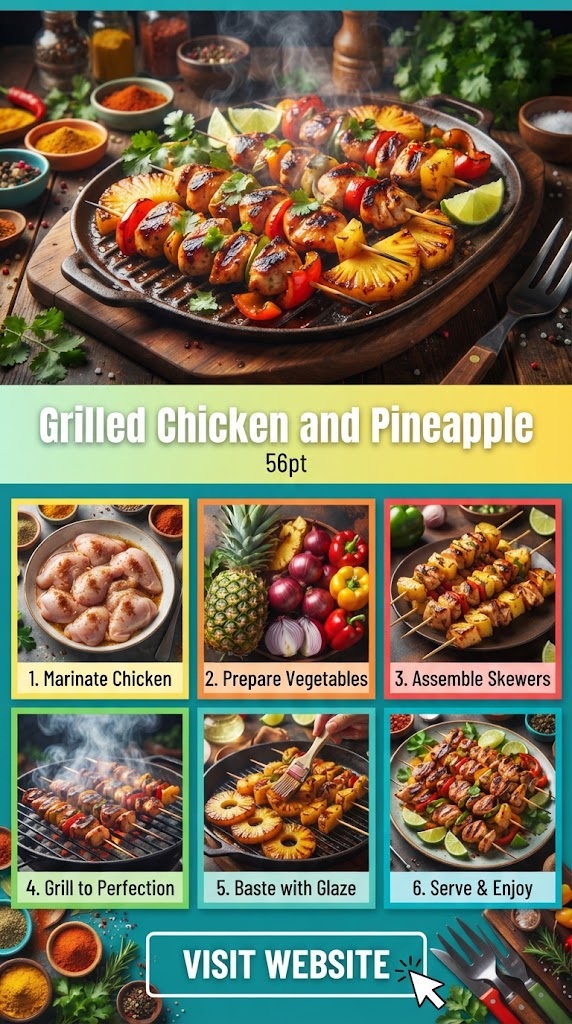

Grilled Chicken and Vegetables
Grilled Chicken and Vegetables
Grilled Chicken and Vegetables is a simple, colorful, and satisfying meal that brings together juicy seasoned chicken with tender-crisp vegetables cooked over high heat. It is an excellent choice for busy weeknight dinners, summer cookouts, meal prep, family lunches, or anyone looking for a flavorful meal that does not require complicated ingredients.
The beauty of this recipe is its flexibility. You can use chicken breasts or boneless chicken thighs, and you can mix and match vegetables depending on what you have available. Bell peppers, zucchini, onions, mushrooms, and cherry tomatoes all work particularly well on the grill. A simple marinade made with olive oil, lemon juice, garlic, herbs, paprika, salt, and black pepper gives both the chicken and vegetables plenty of flavor.
The result is a meal that is smoky, juicy, fresh, and colorful. The chicken develops beautifully browned grill marks while the vegetables become lightly charred around the edges but remain tender inside.
Why You’ll Love This Grilled Chicken and Vegetables Recipe
There are many reasons this recipe deserves a regular place in your dinner rotation.
First, it is incredibly easy. The marinade takes only a few minutes to prepare, and the chicken and vegetables can be grilled in a short amount of time.
Second, the recipe is versatile. You can change the vegetables, herbs, seasonings, and even the chicken cut according to your preferences.
Third, it is perfect for meal preparation. Cook a large batch and store individual portions in the refrigerator for quick lunches and dinners throughout the week.
Finally, grilling creates a wonderful combination of flavors and textures. The chicken stays tender and juicy while the vegetables develop slightly smoky, caramelized edges.
Complete Ingredients
For the Chicken
- 2 pounds boneless, skinless chicken breasts
- 3 tablespoons olive oil
- 2 tablespoons fresh lemon juice
- 4 cloves garlic, finely minced
- 1 teaspoon smoked paprika
- 1 teaspoon sweet paprika
- 1 teaspoon dried oregano
- 1 teaspoon dried Italian seasoning
- 1 teaspoon salt
- ½ teaspoon freshly ground black pepper
- ½ teaspoon onion powder
- ¼ teaspoon red pepper flakes, optional
- 1 teaspoon honey, optional
For the Vegetables
- 2 medium bell peppers, sliced into large pieces
- 2 medium zucchini, sliced into thick rounds or half-moons
- 1 large red onion, cut into wedges
- 8 ounces mushrooms, halved
- 1 cup cherry tomatoes
- 1 tablespoon olive oil
- ½ teaspoon salt
- ¼ teaspoon black pepper
- ½ teaspoon dried oregano
For Garnishing
- 1 tablespoon chopped fresh parsley
- 1 tablespoon chopped fresh cilantro, optional
- Fresh lemon wedges
- Extra-virgin olive oil, optional
- A little freshly ground black pepper
Equipment Needed
You do not need a complicated collection of kitchen equipment.
You will need:
- Outdoor grill or grill pan
- Large mixing bowl
- Small mixing bowl
- Whisk or spoon
- Tongs
- Cutting board
- Sharp knife
- Meat thermometer
- Baking sheet or large plate
- Aluminum foil, optional
A meat thermometer is particularly helpful because chicken should be cooked to a safe internal temperature of 165°F (74°C).
Choosing the Best Chicken
Boneless, skinless chicken breasts are an excellent choice because they are lean and cook quickly. However, chicken breasts can become dry if they are overcooked.
For especially juicy results, boneless, skinless chicken thighs are another excellent option. Thighs contain more fat and tend to remain moist even when cooked slightly longer.
If using large chicken breasts, consider slicing them horizontally into thinner cutlets. This helps them cook more evenly and prevents the outside from becoming dry before the center is fully cooked.
Preparing the Chicken
Begin by trimming any excess fat or connective tissue from the chicken.
If the chicken breasts are very thick, place them between two pieces of plastic wrap or parchment paper and gently pound them with a meat mallet until they have a more even thickness.
The goal is not necessarily to make the chicken extremely thin. You simply want the pieces to have a relatively uniform thickness so they cook at approximately the same rate.
Pat the chicken dry with paper towels before adding the marinade. Removing excess surface moisture allows the marinade to cling better and encourages browning on the grill.
Preparing the Marinade
Add the olive oil, lemon juice, minced garlic, smoked paprika, sweet paprika, oregano, Italian seasoning, salt, black pepper, onion powder, and red pepper flakes to a bowl.
If you enjoy a subtle sweet-and-savory flavor, add the honey.
Whisk everything together until combined.
The olive oil helps coat the chicken, while lemon juice adds acidity and freshness. Garlic provides a savory foundation, and paprika contributes color and mild smoky flavor.
Marinating the Chicken
Place the chicken in a large resealable bag or shallow container.
Pour the marinade over the chicken and turn the pieces several times so they are evenly coated.
Cover and refrigerate for at least 30 minutes.
For deeper flavor, you can marinate the chicken for approximately 2 to 4 hours.
Avoid excessively long marinating times when using a strongly acidic marinade because the texture of the chicken can eventually become unpleasantly soft.
Always marinate raw chicken in the refrigerator, never at room temperature.
Preparing the Vegetables
While the chicken marinates, prepare the vegetables.
Wash the vegetables thoroughly and dry them.
Slice the bell peppers into large pieces. Cut the zucchini into thick rounds or half-moons. Cut the red onion into wedges and halve the mushrooms.
Leave the cherry tomatoes whole.
The vegetables should be cut into pieces large enough that they do not fall through the grill grates.
Place the vegetables in a large bowl.
Add olive oil, salt, black pepper, and oregano.
Toss gently until everything is evenly coated.
How to Prepare the Grill
Preheat your grill to approximately 400–450°F (204–232°C).
A properly preheated grill is important for achieving attractive grill marks and preventing the chicken from sticking.
Once the grill is hot, clean the grates with a grill brush if necessary.
Lightly oil the grates using a paper towel held with long tongs. Do not pour oil directly onto the grill.
If you are using a grill pan indoors, heat it over medium-high heat until hot before adding the chicken.
How to Grill the Chicken
Remove the chicken from the marinade and allow excess marinade to drip away.
Discard leftover marinade that has been in contact with raw chicken.
Place the chicken directly on the hot grill.
Cook without constantly moving the chicken. This allows the surface to develop attractive grill marks.
For average chicken breast pieces, grill for approximately 5–7 minutes per side, depending on thickness.
Do not rely solely on cooking time. The most important test is the internal temperature.
Insert a meat thermometer into the thickest part of the chicken. The chicken is ready when it reaches 165°F (74°C).
Once cooked, transfer the chicken to a clean plate or cutting board.
Loosely cover it with foil and allow it to rest for approximately 5–10 minutes.
Resting allows the juices to redistribute throughout the meat.
How to Grill the Vegetables
Vegetables generally require less time than chicken, so keep an eye on them.
Place the bell peppers, zucchini, onion, mushrooms, and tomatoes on the grill.
Grill the vegetables until they develop visible grill marks and become tender.
Approximate cooking times are:
- Bell peppers: 5–8 minutes
- Zucchini: 4–6 minutes
- Red onion: 5–8 minutes
- Mushrooms: 5–7 minutes
- Cherry tomatoes: 3–5 minutes
Turn the vegetables periodically using tongs.
You want them tender but not completely soft. A little texture makes grilled vegetables much more enjoyable.
The Secret to Great Grill Marks
One of the easiest mistakes is moving the food too often.
Once the chicken or vegetables are placed on the grill, allow them to cook undisturbed for a few minutes.
The hot grates need time to create browning.
Another important factor is surface moisture. Patting the chicken dry before marinating and allowing excess marinade to drip off before grilling helps encourage better browning.
Do not overcrowd the grill.
If too many ingredients are packed together, moisture can accumulate and the food may steam rather than grill.
Combining the Chicken and Vegetables
Once the chicken has rested, slice it against the grain into strips.
Arrange the grilled vegetables on a serving platter.
Place the sliced chicken over or beside the vegetables.
Finish everything with fresh parsley, a squeeze of lemon juice, and a small drizzle of extra-virgin olive oil if desired.
The fresh lemon juice brightens the smoky grilled flavors.
How to Know When Chicken Is Properly Cooked
The safest and most reliable method is using a digital meat thermometer.
Insert the thermometer into the thickest part of the chicken.
The chicken should reach 165°F (74°C).
Do not judge doneness only by the color of the meat because appearance can be misleading.
Once the chicken reaches the proper temperature, remove it from the grill and allow it to rest.
Common Mistakes to Avoid
Overcooking the Chicken
The most common problem with grilled chicken is dryness.
Chicken breasts are particularly susceptible to overcooking.
Use a thermometer and remove the chicken once it reaches the recommended safe temperature.
Cutting the Chicken Immediately
Cutting chicken immediately after removing it from the grill can cause flavorful juices to escape.
Let the chicken rest for 5–10 minutes before slicing.
Using Too Much Marinade
The chicken does not need to be swimming in marinade.
A thin, even coating is sufficient.
Overcrowding the Grill
Give each piece enough space.
Crowding reduces direct heat and can prevent proper browning.
Cutting Vegetables Too Small
Tiny pieces can become difficult to manage on the grill.
Cut vegetables into larger chunks that are easy to turn with tongs.
Cooking Everything for the Same Amount of Time
Different foods cook at different speeds.
Start vegetables according to their cooking time and remove them when tender.
Flavor Variations
This recipe can easily be customized.
Garlic Herb Chicken and Vegetables
Increase the garlic and add fresh rosemary, thyme, and parsley.
Spicy Grilled Chicken
Add cayenne pepper, extra red pepper flakes, or a little chili powder to the marinade.
Mediterranean Style
Add oregano, lemon zest, garlic, and parsley.
Serve with cucumber, tomatoes, olives, and a little feta cheese.
Honey Garlic Version
Add an extra teaspoon or two of honey and increase the garlic.
The honey helps the chicken develop a beautifully caramelized exterior.
Be careful when grilling because sugary marinades can burn quickly.
Lemon Pepper Version
Use extra lemon juice and freshly cracked black pepper.
This variation is especially refreshing when served with grilled zucchini and asparagus.
Best Vegetables for Grilling
Some vegetables are particularly well suited for this recipe.
Bell Peppers
Bell peppers become sweet and slightly smoky when grilled.
Use red, yellow, orange, or green peppers for a colorful platter.
Zucchini
Zucchini cooks quickly and develops attractive grill marks.
Cut it fairly thick so it does not become too soft.
Red Onion
Grilling transforms sharp red onion into something sweeter and more tender.
Cut it into wedges so it remains easy to handle.
Mushrooms
Mushrooms absorb the marinade and develop a rich savory flavor.
Large mushrooms are easier to grill than very small ones.
Cherry Tomatoes
Cherry tomatoes become warm, juicy, and slightly blistered.
Keep them whole while grilling.
What to Serve With Grilled Chicken and Vegetables
Although this recipe can be served as a complete meal, several side dishes pair beautifully with it.
Rice
Serve the chicken and vegetables over steamed white rice, brown rice, or basmati rice.
The rice absorbs the juices and makes the meal more filling.
Quinoa
Quinoa provides a nutty flavor and works especially well with lemon-herb grilled chicken.
Grilled Potatoes
Small potatoes can be partially cooked before grilling and then finished on the grill.
Fresh Salad
A crisp green salad provides a refreshing contrast to the smoky chicken.
Garlic Bread
Warm garlic bread is excellent for soaking up flavorful juices.
Tzatziki
A cool yogurt-based tzatziki sauce creates a delicious contrast with hot grilled chicken.
Homemade Sauce Ideas
A simple sauce can transform the entire meal.
Lemon Herb Sauce
Combine:
- 3 tablespoons olive oil
- 1 tablespoon lemon juice
- 1 tablespoon chopped parsley
- 1 small minced garlic clove
- Pinch of salt
- Black pepper
Whisk together and drizzle over the finished chicken.
Creamy Garlic Yogurt Sauce
Combine plain Greek yogurt with minced garlic, lemon juice, salt, black pepper, and chopped parsley.
Refrigerate for 15–20 minutes before serving.
Spicy Mayo
Mix mayonnaise with lemon juice and a small amount of hot sauce or chili powder.
Serve as a dipping sauce.
Meal Prep Instructions
Grilled Chicken and Vegetables is excellent for meal preparation.
Allow the cooked chicken and vegetables to cool slightly before storing.
Divide them into airtight containers.
Keep the chicken and vegetables refrigerated and use them within 3–4 days.
For meal prep, you can prepare rice or quinoa separately and divide it among containers.
When ready to eat, reheat thoroughly.
For the best texture, avoid repeatedly reheating the same portion.
How to Reheat
The microwave is the fastest option.
Place the chicken and vegetables on a microwave-safe plate and cover loosely.
Heat in short intervals until warmed through.
You can also reheat the chicken and vegetables in a skillet over medium heat.
Add a small splash of water or broth to help prevent the chicken from becoming dry.
An oven or air fryer can also be used for reheating.
Can You Make This Recipe Ahead?
Yes.
You can marinate the chicken several hours ahead of grilling.
You can also wash and cut the vegetables earlier in the day.
For entertaining, prepare the vegetables and marinade in advance, then grill everything shortly before serving.
Freshly grilled chicken and vegetables are best when served warm.
Storage and Food Safety
Always keep raw chicken refrigerated until you are ready to cook it.
Use separate utensils and cutting boards for raw chicken and cooked food when possible.
Never place cooked chicken back onto a plate that previously held raw chicken unless the plate has been thoroughly washed.
Store leftovers promptly in the refrigerator.
When reheating, heat leftovers until they are thoroughly hot.
If the chicken develops an unusual smell, appearance, or texture, discard it rather than taking a chance.
Nutrition-Friendly Tips
If you want to make the recipe lighter, you can reduce the amount of oil in the marinade.
Choose skinless chicken breast for a leaner option.
Increase the quantity of vegetables to create a larger, more filling plate without adding many additional calories.
You can also serve the chicken and vegetables over cauliflower rice or a large green salad.
For a more substantial meal, serve it with brown rice, quinoa, or whole-grain bread.
Tips for Juicy Grilled Chicken
Use even-sized pieces.
Uniform thickness helps the chicken cook evenly.
Do not skip the marinade.
Even a short marinade can add considerable flavor.
Preheat the grill.
A hot grill creates better browning.
Avoid excessive flipping.
Allow the chicken time to develop grill marks.
Use a thermometer.
This is the best way to avoid both undercooking and overcooking.
Rest the chicken.
A short resting period helps retain moisture.
Frequently Asked Questions
Can I use chicken thighs instead of chicken breasts?
Absolutely. Boneless, skinless chicken thighs are excellent for grilling and tend to remain particularly juicy.
Can I use frozen vegetables?
Fresh vegetables generally provide the best texture for grilling. If using frozen vegetables, thaw and drain them thoroughly first.
Can I make this without an outdoor grill?
Yes. A grill pan or heavy skillet can be used indoors. You will still get good browning, although the smoky flavor may be less pronounced.
Can I use different vegetables?
Yes. Asparagus, broccoli, cauliflower, eggplant, corn, and yellow squash can all work well.
How long should I marinate chicken?
Thirty minutes is enough for basic flavor. Two to four hours provides deeper flavor.
Can I prepare the chicken overnight?
It is generally better to avoid leaving chicken in a strongly acidic marinade for too long. If preparing ahead, consider using a milder marinade or marinating for a shorter period.
How do I prevent vegetables from falling through the grill?
Cut them into larger pieces or use a grill basket.
Why does my chicken stick to the grill?
The grill may not be hot enough, the grates may need cleaning and oiling, or the chicken may be moved too early.
Allow the surface to sear before attempting to turn it.
Complete Recipe Card
Grilled Chicken and Vegetables
Prep Time: 20 minutes
Marinating Time: 30 minutes to 4 hours
Cook Time: 15–20 minutes
Total Active Time: About 40 minutes
Servings: 4–6
Cuisine: American-inspired
Course: Dinner, Lunch, Main Course
Cooking Method: Grilling
Ingredients
Chicken:
- 2 pounds boneless, skinless chicken breasts
- 3 tablespoons olive oil
- 2 tablespoons lemon juice
- 4 garlic cloves, minced
- 1 teaspoon smoked paprika
- 1 teaspoon sweet paprika
- 1 teaspoon dried oregano
- 1 teaspoon Italian seasoning
- 1 teaspoon salt
- ½ teaspoon black pepper
- ½ teaspoon onion powder
- ¼ teaspoon red pepper flakes, optional
- 1 teaspoon honey, optional
Vegetables:
- 2 bell peppers
- 2 zucchini
- 1 red onion
- 8 ounces mushrooms
- 1 cup cherry tomatoes
- 1 tablespoon olive oil
- ½ teaspoon salt
- ¼ teaspoon black pepper
- ½ teaspoon oregano
Garnish:
- Fresh parsley
- Lemon wedges
- Freshly cracked black pepper
Cooking Directions
- Trim the chicken and pound thick breasts to an even thickness if necessary.
- Combine olive oil, lemon juice, garlic, paprika, oregano, Italian seasoning, salt, pepper, onion powder, red pepper flakes, and honey.
- Coat the chicken thoroughly with the marinade.
- Refrigerate for at least 30 minutes.
- Wash and cut the vegetables into grill-friendly pieces.
- Toss vegetables with olive oil, salt, pepper, and oregano.
- Preheat the grill to 400–450°F.
- Place the chicken on the hot grill.
- Grill approximately 5–7 minutes per side, depending on thickness.
- Check the thickest portion with a thermometer and cook until it reaches 165°F.
- Grill the vegetables until tender and lightly charred.
- Remove the chicken from the grill.
- Rest the chicken for 5–10 minutes.
- Slice the chicken against the grain.
- Arrange chicken and vegetables on a serving platter.
- Garnish with fresh parsley and lemon.
- Serve immediately.
Final Thoughts
Grilled Chicken and Vegetables proves that a wholesome homemade dinner does not have to be complicated. With juicy seasoned chicken, colorful vegetables, a simple garlic-lemon marinade, and the smoky flavor of the grill, this recipe delivers everything you want from an easy family meal.
The most important steps are simple: marinate the chicken, preheat the grill properly, avoid overcrowding, cook the chicken to 165°F (74°C), and let it rest before slicing.
Once you master the basic recipe, you can customize it endlessly. Change the vegetables, adjust the spice level, experiment with herbs, or serve everything with rice, quinoa, salad, potatoes, or a creamy sauce.
Whether you’re preparing a quick weeknight dinner or feeding guests at a backyard gathering, this Grilled Chicken and Vegetables recipe is colorful, flavorful, practical, and easy to make again and again.